How to Blur a QR Code in an Image Online
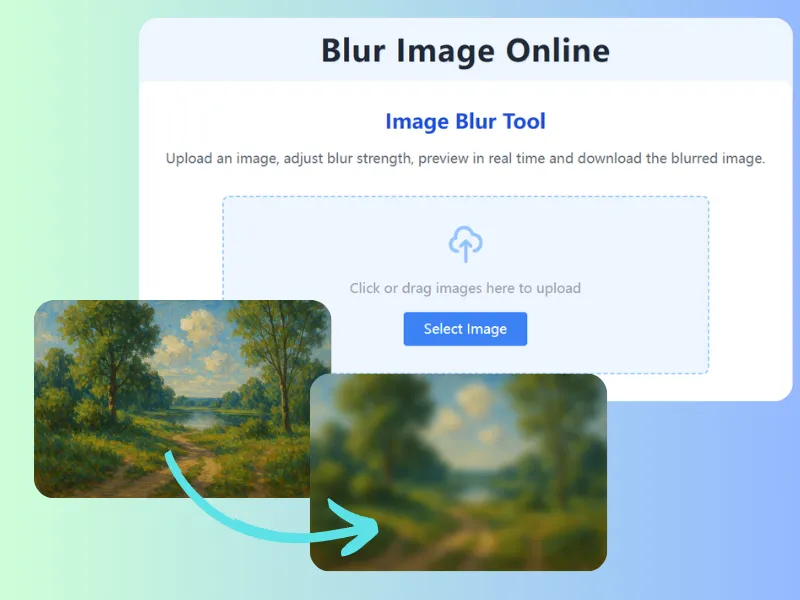
How to Blur a QR Code in an Image Online
If you need to blur a QR code in an image online, the safest approach is to hide the full code before you post, send, or publish the image. That applies to screenshots of event tickets, boarding passes, payment screens, Wi-Fi cards, login prompts, return labels, or any photo where the QR code is not meant for the public. In most cases, you do not need to crop away the whole image. You only need to cover the code clearly enough that nobody can scan it from the shared copy. A manual tool such as Blur Image Online works well because it lets you blur only the sensitive area and keep the rest of the image useful.
Featured image alt: QR code area blurred on a screenshot before the image is shared online.
Quick Takeaways
- Blur the entire QR code, not only the center or corners.
- Add padding around the code so it stays unscannable after resizing or compression.
- Check for duplicate codes in thumbnails, previews, or reflections.
- Use stronger blur or pixelation for ticket, payment, and login QR codes.
- Before sharing screenshots, review nearby details such as names, emails, and order numbers too.
Why People Need to Blur QR Codes
QR codes often look harmless because they are small and easy to ignore. But they are designed to be scanned quickly, even from imperfect photos and screens.
This article is for everyday users who share screenshots, travel confirmations, product photos, support images, or social posts and want a simple way to hide QR codes without editing software.
Common examples include boarding pass screenshots, event tickets, payment screens, return labels, and login QR prompts. When the code is the risky part and the rest of the image is still useful, local blur is usually the fastest fix.
What Can a Visible QR Code Reveal?
A QR code does not always contain private text in plain view, but it can still send people somewhere or connect them to a transaction. The Federal Trade Commission notes that QR codes can be used to send people to harmful links, which is a useful reminder that codes are functional links or actions in visual form. Consumer guidance: Scammers hide harmful links in QR codes to steal your information.
In shared images, a visible code may expose:
- ticket or check-in access
- payment requests
- login or device-pairing flows
- return or shipping information
- contact cards or profile links
- internal tools or private pages
Not every QR code is high risk, but you should treat any code tied to identity, money, travel, access, or customer records as something worth hiding.
When Blur Is Better Than Cropping
Cropping works when the QR code sits at the edge of the image and removing it does not hurt the point of the picture. But many screenshots and photos need the surrounding context.
For example, a support screenshot may need the full error message, a travel post may need the boarding pass layout, and a shipping image may still need the package photo. In those cases, blur keeps the story while removing the actionable detail.
For screenshots specifically, Blur Screenshot Online is useful when the QR code appears alongside tabs, names, or account details. For mixed photos or documents, Blur Part of Image Online gives you more control over the exact area.
How to Blur a QR Code in an Image Online
1. Upload the Original Image
Start with the clearest copy you have. If you edit a compressed screenshot that has already been shared through a chat app, the code edges may already look distorted, which makes it harder to judge whether your blur is strong enough.
2. Cover the Full Code With Extra Margin
Do not blur only the middle square. Cover the entire QR code, including the outer edges and a little space around it.
That extra margin matters because images are often resized, sharpened, or recompressed after upload. A blur area that looks just large enough in the editor can become risky later if it was too tight.
3. Increase Blur Until the Pattern Is No Longer Distinct
A QR code should stop looking like a crisp grid. If you can still clearly see the square modules or corner markers, the edit is too light.
For privacy-sensitive cases, stronger is better than prettier. A visible soft effect may look cleaner, but the goal is to make the code unusable from the shared file.
4. Check Nearby Sensitive Details
The code itself may not be the only problem. Ticket screenshots often include names, times, seat numbers, or booking references. Shipping labels can include phone numbers or addresses. Payment images may show account names or amounts.
Before downloading, scan the whole image once more.
5. Download and Share Only the Edited Copy
Keep the original for yourself and send the edited version. Sending the wrong file is still a common privacy mistake.
When to Use Pixelation Instead of Blur
Blur is usually enough when you want a natural-looking privacy edit. But sometimes pixelation is the safer choice.
Use stronger pixelation or very heavy blur when the QR code is large, high contrast, printed sharply on a ticket or label, tied to travel or payment, or easy to isolate in the image.
If you are unsure, make the edit more aggressive than you think you need. A privacy edit does not fail because it looks obvious. It fails because the code still works.
Common Mistakes When Hiding a QR Code
Blurring Too Tightly
Many people cover only the exact black-and-white square. That leaves too little margin and increases the chance that image processing will make the pattern easier to read.
Forgetting a Second Copy of the Code
Some apps show the same QR code in a main view and a thumbnail, or in a reflected screen, preview card, or printed label nearby. Hide every visible copy.
Focusing Only on the Code
Even if the QR code is fully hidden, the image may still reveal names, addresses, order IDs, or other useful clues. Treat the edit as a full privacy review, not a one-object task.
Using a Beautiful but Weak Effect
A soft cinematic blur may look polished in a post, but it is not always enough for machine-readable patterns. If the QR code matters, choose safety over subtlety.
A Simple Rule for Travel, Tickets, and Payments
If someone else could use the code, redeem the code, or learn something important from the code, hide it before sharing. That includes boarding passes, event tickets, transit passes, payment codes, check-in screens, and device sign-in prompts. The same mindset applies to barcodes, short links, and other scannable visual identifiers.
FAQ
Can a blurred QR code still be scanned?
Sometimes, yes. A lightly blurred or tightly cropped edit may still leave enough structure for a scanner or a person to use. That is why it is safer to blur the full code with padding and inspect the result at full size.
Should I blur or crop a QR code out of a screenshot?
Crop it out when the code is not needed and sits outside the useful part of the image. Blur it when the surrounding screenshot still needs to stay visible for context.
Is blur enough for ticket or boarding pass QR codes?
Often yes, but only if the effect is strong and covers the full code clearly. For travel, payments, and entry codes, use a heavier privacy edit than you would use for a background distraction.
What else should I hide near a QR code?
Check for names, booking references, tracking numbers, account details, phone numbers, addresses, and timestamps. The code is often only one part of what makes the image sensitive.
Conclusion
If you want to blur a QR code in an image online, keep the process simple: cover the full code, add margin, review the rest of the image, and share only the edited copy. That is usually enough to protect the useful context of the image without exposing a scannable code.
Start with Blur Image Online when you need a quick browser-based fix, or use Blur Screenshot Online when the QR code appears inside a screenshot with other private details. A thirty-second privacy edit is usually much easier than dealing with a shared image after it has already spread.